Petroleum tank storage rental & transaction due diligenceSingapore   /   Rotterdam   /   Fujairah
Due diligence

Assess the supplier
before the next step.

Supplier due diligence for petroleum transactions, with a defined scope and evidence-based findings.

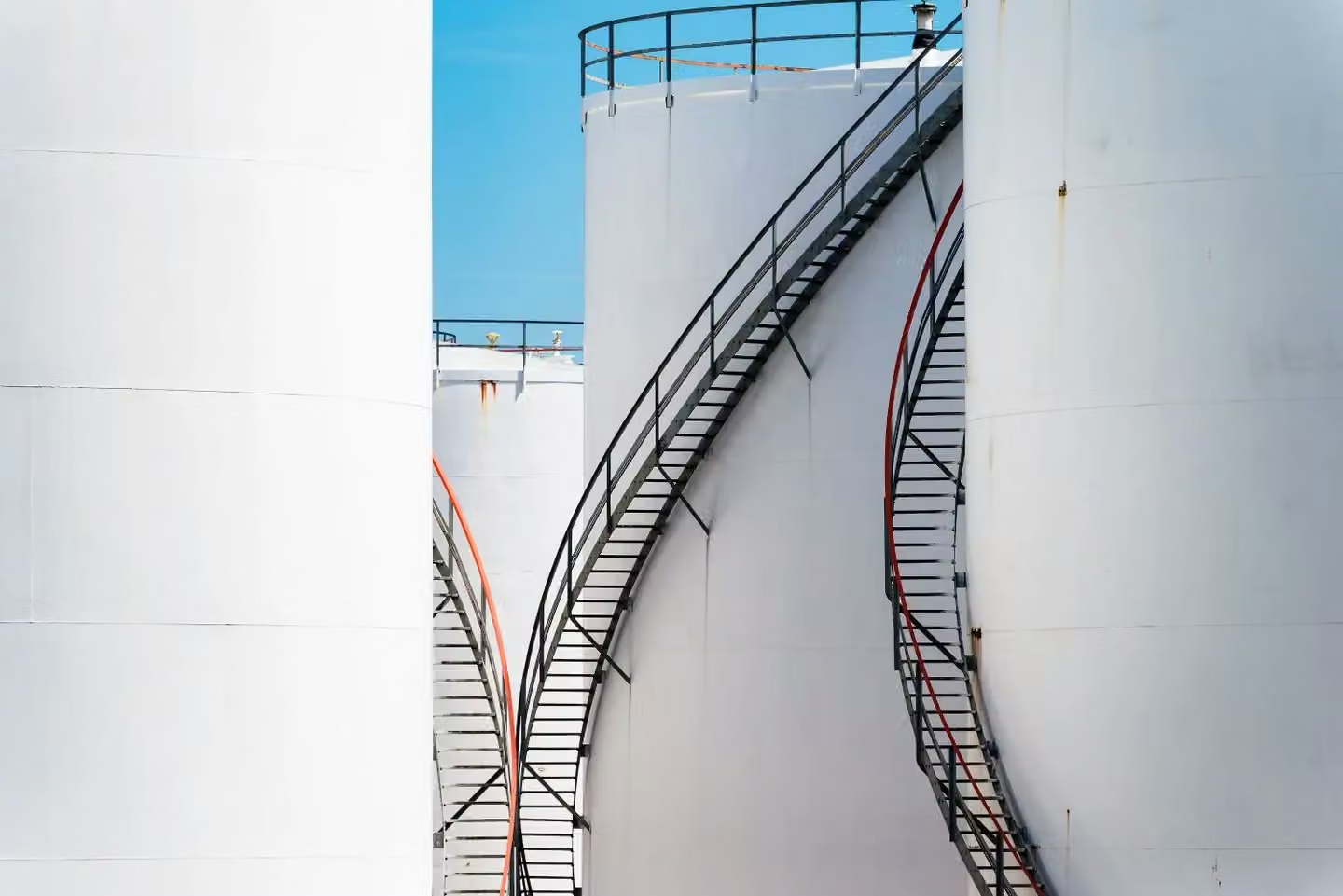
Vertical shot of large steel oil storage tanks with stairs in Antwerp, Belgium.

Identify the contracting party

Record the legal company name, registration jurisdiction, proposed representative and role in the transaction. Clarify whether the party claims to be the owner, seller, mandate or intermediary.

Review the claimed relationship

Assess the documents and explanations supporting that role. Where appropriate, seek confirmation through independently established sources. List any ownership, authority or supply claims that remain unverified.

Disclose commercial relationships

If an introduction or referral relationship exists, it should be disclosed. Customers can then assess the scope and independence of the work with that context in view.

Your questions, answered

Frequently asked questions

Answers to help you prepare your next step.

What supplier identity details should I provide?

The legal company name, registration jurisdiction, representative and claimed role in the transaction. Explain whether the party acts as seller, owner or intermediary.

Does a registered company automatically own the product offered?

No. Company identity and a product-ownership claim are separate matters. The review should state which claims the available evidence supports.

What if the supplier was introduced through your service?

Any relevant introduction or referral relationship should be disclosed so the scope and independence of the work can be assessed.

Your next step

Let’s start with
your storage requirement.